
 By kazimladimeji
If You want to Keep Your Head and Ears Warm When Cycling in Winter then you should do two things
- Wear a thermal cycling skull cap under your vented helmet to protect against windchill and retain heat
- Wear a waterproof helmet cover to keep and the water and protect against windchill, enabling you to retain heat in winter.
Winter cycling brings many issues, the most obvious of which is the cold ambient temperature and wind-chill factor when riding fast. Feet, legs, body, hands, and head can all be protected from the cold, wind, and rain, using the appropriate waterproof and windproof materials and apparel.
An often overlooked, but ironically easy place to insulate and waterproof is your head. While the idea that 70% of your body heat is lost through your head has now been exposed as a myth, research in the British Medical Journal shows that 7 to 10% of your body heat is lost through your head, unless adequately insulated and kept dry. Vented helmets are great for keeping you cool in the summer but those same cooling vents will help to chill and dampen your head in the winter cycling season
So, how do you keep your head and ears warm when cycling in winter?
- Insulate your head by wearing a thermal cycling skull cap under your helmet
- Waterproof and windproof your helmet by wearing a waterproof helmet cover
So, what are the main features to look out for when purchasing a thermal cycling skull cap?
- Extended ear cover as these oft-overlooked extremeties can suffer in the cold.
- Glasses and earphone socket if this is required.
- Breathable, Windproof and Waterproof
- Ensure that it is stretchy and fits your head circumference.
Here are 5 Top Thermal Cycling Skull Caps
| Photo | Title | Price | Buy |
|---|---|---|---|

|
GripGrab Windproof Lightweight Thermal Under Helmet Cycling Skull Cap Black | £26.25 |

|

|
GripGrab Merino Blend Winter Cycling Beanie Under Helmet Thermal Hat | £29.10 |
|
|
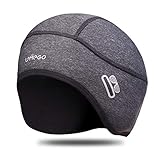
LEMEGO Skull Cap Helmet Liner Fits Glasses, Winter Sports Beanie Headwear for Men Women, Thermal Stretchable Head Caps Caps for Cycling, Running, Skiing |
|
|

|
TAGVO 2 Packs Winter Thermal Fleece Running Hat, Beanie Cap Headwear with Ear Covers, Skull Cap Cycling Helmet Liner for Adults Women and Men Unisex Elastic Size Universal | £9.95 |
|
So, what are the main features to look out for when purchasing a waterproof helmet cover?
- Fully waterproof and breathable fabric
- Night Vision reflectivity for maximum visibility
- One size fits a variety of helmets
- Elasticated drawstring to modify fit
Here are 5 Top Waterproof Helmet Covers
| Photo | Title | Price | Buy |
|---|---|---|---|

|
Proviz REFLECT360 Breathable Reflective Unisex Running X-Vest, One Size Adjustable | £17.99 |
|
|
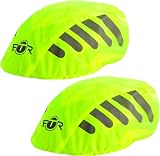
BTR WaterproofBicycle Helmet Covers x 2. Yellow | £15.99 |
|
|
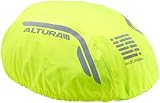
Altura NV Waterproof Lid Cover - Hi Vis Yellow, One Size |
|
|

|
GripGrab Waterproof Cycling Helmet Cover Bicycle Commuting Rain Cover | £20.00 |
|

|
GripGrab Waterproof Cycling Helmet Cover Bicycle Commuting Rain Cover | £18.95 |
|