
 By kazimladimeji
5 Best Cycling Commuter Backpacks Compared
What are the essential features of a cycling commuter backpack?
- Size: I’d recommend a backpack of at least 30 litres to contain all the necessary items you might for work such as a laptop, phone, waterproof coat, lunch etc… 40 litres plus may be necessary in the winter when you may need to transport more rain and weather protective gear.
- Waterproof: If your backpack is going to contain your laptop, phone, work papers and waterproofs, it needs to be extremely waterproof. This may take the form of waterproof backpack or a waterproof cover.
- Reflective strips: Your safety is paramount and the best backpacks will have reflective strips, enhancing your visibility to drivers, boosting your safety. You can also buy bags which are 360 degree reflective and some examples are included below.
- External water bottle holder. Not only is it more practical, but it eliminates the chance of leaky bottles damaging or spoiling the contents of your commuter backpack
- Helmet Holder: Helmet’s are extremely impractical when you are not wearing them so the best cycling commuter backpacks have a helmet attachment/holder for easy stowing of the helmet when not in use.
- Multiple internal compartments: This is crucial when transporting hard and soft items of different shapes, sizes and dimension in ur cycling commuter backpack.
- External Phone Holder: Not essential,but an external phone holder allows you to easily stow and access the phone without taking your backpack off.
5 Best Cycling Commuter Backpacks Compared.


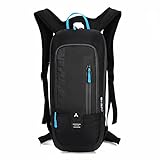


In-Depth Tips for Selecting the Right Cycling Commuter Backpack
Once you’ve considered the general features, let’s dive deeper into what makes a cycling commuter backpack ideal for your specific needs:
1. Capacity and Size
The size and capacity of the backpack are crucial factors in ensuring it meets your commuting needs:
- Daily Essentials: Think about what you need to carry daily—laptop, lunch, change of clothes, etc. A capacity of 20-30 liters is usually sufficient for most commuters, providing enough space without being overly bulky.
- Bulk vs. Streamlined: A more streamlined backpack is better for maneuverability and comfort during your ride, but make sure it’s large enough to hold everything you need.
- Expandable Design: Some backpacks offer expandable compartments that give you extra space when needed but stay compact when not fully loaded.
Choosing the right size ensures you have enough space without compromising on comfort or aerodynamics during your commute.
2. Comfort and Fit
Comfort is key when choosing a backpack, especially if you’re carrying it for long periods:
- Adjustable Straps: Look for padded shoulder straps that are adjustable to fit your body size and shape. Sternum and waist straps help distribute the load evenly, reducing strain on your back and shoulders.
- Breathable Materials: A mesh back panel or ventilation channels can help keep your back cool and reduce sweating during your ride.
- Ergonomic Design: The backpack should sit comfortably on your back without shifting or causing discomfort. An ergonomic design that follows the natural curve of your spine will improve comfort and stability.
A well-fitted backpack ensures you remain comfortable, even on longer commutes or when carrying heavier loads.
3. Water Resistance
Protecting your belongings from the elements is crucial, especially in unpredictable weather:
- Water-Resistant Fabric: Look for backpacks made from water-resistant materials like nylon or polyester. Some backpacks also have waterproof coatings or sealed zippers to keep moisture out.
- Rain Cover: If the backpack itself isn’t fully waterproof, consider one with an integrated rain cover or purchase a separate cover. This adds an extra layer of protection for heavy rain or wet conditions.
Water resistance is essential for keeping your belongings safe and dry, particularly your electronics and important documents.
4. Organization and Accessibility
Good organization features make it easier to access your items quickly and efficiently:
- Multiple Compartments: Look for a backpack with separate compartments for different items, such as a padded laptop sleeve, small pockets for keys and wallets, and larger spaces for clothes or lunch.
- Easy Access: Consider how easy it is to reach your most-used items. Side or top-access pockets can be convenient for grabbing things without taking off the backpack.
- Laptop Protection: If you carry a laptop, ensure the backpack has a dedicated, padded compartment that fits your device securely.
Efficient organization saves you time and frustration, especially during rushed commutes.
5. Safety Features
Visibility and safety are crucial when cycling in traffic or low-light conditions:
- Reflective Elements: Backpacks with reflective details or strips enhance your visibility to motorists, which is especially important for early morning or evening commutes.
- Attachment for Lights: Some backpacks have built-in loops or mounts for attaching bike lights, adding another layer of safety to your ride.
Safety features ensure that you’re seen by others on the road, reducing the risk of accidents.
Choosing the right cycling commuter backpack involves finding the perfect balance between capacity, comfort, protection, organization, and safety. Whether you’re a daily commuter or an occasional rider, the right backpack can make a significant difference in your cycling experience. By considering factors like size, fit, water resistance, organization, and visibility, you’ll be able to select a backpack that not only meets your needs but also enhances your comfort and safety on every ride.
| Photo | Title | Price | Buy |
|---|---|---|---|
|
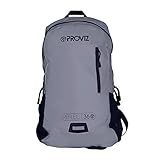
Proviz REFLECT360 Unisex Outdoor Reflective Cycling Backpack 30L, Rucksack Bag Hi Visibility | £69.99 |
|

|
Bike Backpack Lixada 15L Bicycle Shoulder Backpack Waterproof Breathable Rucksack for Outdoor Travel Riding Hiking Mountaineering Climbing with Rain Cover |
|
|
|
|
Ettore Cycling Rucksack 100% Waterproof Dry Bag 30L - Black/White - Sonar | £41.99 |
|

|
TOMSHOO 20L/30L Cycling Backpack Waterproof Bicycle Bike Backpack Outdoor Sports Riding Travel Camping Hiking Backpack Daypack with Rain Cover and Helmet Cover |
|
|

|
SPGOOD Bike Backpack 20L/25L Waterproof Breathable for Men and Women with Rain Cover Helmet Cover Motorcycle Backpack Sports Backpack for Cycling Hiking Camping MTB (Black, 20L) |
|
|

|
Proviz Classic Reflective Backpack 30L, Multi-Use Sports Hi Viz Rucksack Bag Hi Visibility, Yellow |
|