
 By kazimladimeji
🚴♂️ Beta-Alanine for Cyclists: What It Is, How It Works, and Should You Take It?
Beta-alanine is a supplement that’s gained popularity among athletes — especially those pushing through high-intensity efforts. But is beta-alanine useful for cyclists? And if so, how should you take it, and is it legal in competition?
In this guide, we break down what beta-alanine is, how it affects your cycling performance, how to use it properly, and what products are worth buying.
🔬 What Is Beta-Alanine?
Beta-alanine is a naturally occurring amino acid that helps increase your body’s levels of carnosine, a compound stored in muscles. Carnosine acts as a buffer against acid buildup, particularly during intense exercise.
In cycling terms: it helps delay the “burn” you feel during sprints, climbs, or interval efforts.
🚴♀️ How Does Beta-Alanine Help Cyclists?
Cycling isn’t just about endurance — especially if your training includes threshold intervals, time trials, breakaways, or hill repeats. In these moments, lactate and acidity build up in your muscles and slow you down. Beta-alanine boosts your anaerobic performance by:
-
🧬 Delaying muscle fatigue in efforts lasting 1–4 minutes
-
🧨 Increasing lactate threshold and sprint capacity
-
📈 Improving repeated high-intensity efforts like intervals or criteriums
For time trialists, track cyclists, and anyone training in the “red zone,” beta-alanine can offer measurable performance gains.
🧪 How to Take Beta-Alanine
To benefit from beta-alanine, you must take it consistently over time — it doesn’t work like caffeine or a pre-workout.
Recommended dose:
-
3.2–6.4 grams daily, split into 2–4 doses
-
Take it every day for 4+ weeks to build up carnosine stores
Some users experience a harmless tingling sensation (called paresthesia). If it bothers you, simply take smaller doses more often.
Best results come from taking beta-alanine with food, and pairing it with a structured training programme.
💊 Best Beta-Alanine Products on Amazon UK
Here are reliable, high-quality beta-alanine supplements:
-
Photo Title Price Buy 
Bulk Beta Alanine Powder, Unflavoured, 500g £10.49 

Beta Alanine 1500mg - 120 Vegan Capsules £13.99

Applied Nutrition Beta-Alanine Amino Acid Pre Workout Powder 3000mg per Serving Enhances Training Duration & Physical Performance Gluten Free, Suitable for Vegans (300g - 100 Servings) (Unflavoured) £11.23

Beta Alanine Powder | Pure (500g) Pre Workout, Amino Acid £9.49
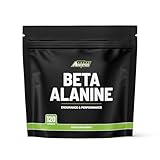
Freak Athletics Beta Alanine Capsules - 120 Capsules, 60 Servings £9.48
🚫 Is Beta-Alanine Legal for Competitive Cyclists?
Yes. Beta-alanine is 100% legal and NOT banned by the World Anti-Doping Agency (WADA). It’s classified as a dietary supplement.
Still, if you race under an official body, buy third-party tested products to avoid contamination with prohibited substances.
Look for Informed-Sport or NSF Certified for Sport labels.
🧠 Final Thoughts: Should You Use Beta-Alanine?
If your cycling involves repeated high-intensity efforts, time trial racing, or structured interval training, beta-alanine can provide a legal and proven edge. It won’t help you spin gently for hours — but it will help you push through your limits in the red zone.
Think of it as a training enhancer, not a magic bullet.
👇 Bonus Tip
For best results, combine beta-alanine with creatine and a good training programme targeting threshold and VO₂ intervals.
You might also want to check out our companion article:
📖 Top 5 Cycling Supplements for Performance and Recovery