
 By kazimladimeji
 Stelvio Pass Cycling: Conquer the Legendary Passo dello Stelvio
The Stelvio Pass climb is one of the most iconic challenges in world cycling. Known in Italian as the Passo dello Stelvio, it rises to 2,757m above sea level and features 48 hairpin bends from the Prato side alone. For many riders, tackling the Stelvio is a bucket-list achievement that combines breathtaking scenery with brutal gradients. Whether you’re planning a one-off ride or a full Stelvio cycling holiday, this legendary ascent deserves its reputation as one of the toughest yet most rewarding climbs in Europe.
Passo dello Stelvio Cycling: What to Expect
Cycling the Stelvio is not just about numbers—it’s about atmosphere. The climb is long, relentless, and utterly spectacular.
-
From Prato allo Stelvio: 24.3km, 1,808m of elevation, average gradient 7.4%, with the famous 48 numbered hairpins.
-
From Bormio: 21.5km, 1,533m of elevation, average gradient 7.1%, with tunnels and stunning glacial scenery.
-
From Switzerland (Umbrail Pass): A slightly shorter but equally demanding option that joins the Bormio side near the summit.
No matter which route you choose, the Stelvio Pass climb is a true test of endurance and mental strength. The high altitude also adds an extra layer of challenge, as oxygen levels drop near the summit.
💡 Affiliate Tip: A lightweight cycling computer with GPS (such as the Garmin Edge 530 – Check price on Amazon UK) is invaluable here, helping you track progress and navigate.

Bike Hotel Stelvio: Where to Stay
Finding the right accommodation can make your trip unforgettable. A good bike hotel Stelvio should provide secure bike storage, hearty meals, laundry facilities, and sometimes even on-site mechanics. Here are five highly rated options:
-
Aktiv & Wellness Hotel Zentral – A cyclist-friendly hotel with secure bike storage, guided ride options, and a strong reputation for catering to riders. Check availability.
-
Hotel Stelvio (Tirano) – Offers easy access to both Stelvio and Mortirolo, with a warm, traditional atmosphere. Check availability.
-
Hotel Straube Stelvio – Perfectly located at the base of the Stelvio, with wellness facilities for recovery after big rides. Check availability.
-
Hotel Rezia – A stylish 4-star option with spa facilities, making it ideal for combining luxury with serious cycling. Check availability.
-
Apartment Hausergaut Bonita 2 – A family-run guesthouse that’s popular with cyclists, offering hearty breakfasts and a friendly, informal vibe. Check availability.
These hotels understand the unique needs of cyclists tackling the high Alpine passes, making them excellent bases for your adventure.
Stelvio Cycling Holiday: Plan Your Trip
A Stelvio cycling holiday isn’t just about one climb. The surrounding region offers several other famous ascents, including the Passo Gavia, Mortirolo, and Umbrail Pass. Many riders base themselves in Bormio or Prato allo Stelvio for easy access to multiple routes.
Local cycling tour companies also offer guided packages, luggage transfers, and support vans, which can be a great way to make the most of your time in the Alps. Whether you’re travelling solo or with a group, a week here provides enough challenge and variety to rival anything in the French Alps or Pyrenees.
💡 Affiliate Tip: Consider a cycling travel bag or bike box (Evoc Bike Travel Bag) if you’re flying in—essential for protecting your bike on airlines.

Best Time to Cycle Stelvio Pass
The best time to cycle Stelvio Pass is from late June to early September. The pass is usually closed by heavy snow from October to May, though exact opening dates vary each year. July and August offer the most reliable conditions, but they also bring heavier tourist traffic.
If you want quieter roads, June and September are excellent choices—just bring layers, as temperatures at the top can be close to freezing even in summer.
💡 Affiliate Tip: Pack a lightweight windproof cycling jacket (Castelli Squadra ) and long-fingered gloves (GripGrab SuperGel). Even in July, descending from 2,757m can feel icy.


Stelvio Pass Cycling FAQ
How hard is the Stelvio Pass climb?
The Stelvio is considered one of the hardest road climbs in Europe. Its length (over 20km), sustained gradients (averaging 7–8%), and altitude (2,757m) make it a serious endurance test. Most riders take between 1.5 and 3 hours depending on fitness.
Which side of the Stelvio is best to cycle?
The Prato side is the most famous thanks to its 48 hairpins, but the Bormio side offers spectacular tunnels and alpine views. Many riders try to climb from both sides during a Stelvio cycling holiday.
What gearing do I need for Stelvio Pass?
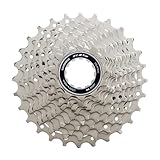
A compact chainset (34/50) paired with at least a 30–32 tooth cassette is recommended for amateur riders. This gives a comfortable range for the steeper sections, especially towards the top.
💡 Affiliate Tip: If you’re unsure, upgrading to a wide-range cassette (Shimano 11–32) before your trip can save your legs.
When is the Stelvio Pass closed to traffic?
The annual Stelvio Bike Day (usually early September) closes the pass to cars, making it a fantastic day to ride with thousands of other cyclists. Otherwise, expect summer traffic, especially from motorbikes.
How long does it take to cycle Stelvio Pass?
Strong riders may summit in under 90 minutes, but for most amateur cyclists, 2–3 hours is a realistic target, depending on weather, gearing, and fitness levels.
Why the Stelvio Pass Climb Belongs on Your Bucket List
The Stelvio Pass cycling experience is about more than just pushing pedals—it’s about immersing yourself in cycling history, natural beauty, and personal achievement. From the first switchback to the final push towards the summit, the climb is a battle of willpower rewarded by panoramic views across the Alps.
Whether you come for a weekend or an extended Stelvio cycling holiday, the memories you create on this legendary road will last a lifetime.