
 By kazimladimeji
Monimoto 9 GPS Tracker Reviewed: Is It the Best Choice for Your Motorcycle Security?
Motorcycle theft is on the rise, and protecting your bike is no longer optional—it’s essential. GPS tracking devices like the Monimoto 9 GPS Tracker and its predecessor, the Monimoto 7, have become go-to solutions for riders who want peace of mind. In this review, we’ll break down the features, performance, and differences between the two models to help you decide which Monimoto GPS tracker best suits your needs.

Why Choose a Monimoto GPS Tracker?
Unlike traditional alarms or heavy-duty locks, Monimoto trackers focus on recovery and alerts. If your bike is moved without your key fob nearby, the device instantly notifies you and begins live GPS tracking. This makes Monimoto trackers particularly valuable for:
-
Daily commuters leaving bikes in public car parks
-
Riders storing motorcycles outdoors or in shared garages
-
Long-distance touring riders worried about theft on the road
Both the Monimoto 9 and Monimoto 7 are discreet, wireless, and simple to set up, with long-lasting batteries (up to 12 months) and no complicated wiring required.
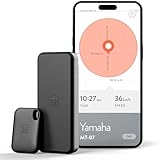
Monimoto 9 GPS Tracker: Key Features
👉 Check the Monimoto 9 on Amazon
-
Latest Generation Device – Smaller, sleeker, and easier to conceal on your motorcycle
-
eSIM Support – Works across Europe and the US with built-in roaming SIM
-
Smartphone Control – Manage everything via the Monimoto app (iOS & Android)
-
Instant Alerts – Calls your phone directly when movement is detected
-
Battery Powered – No wiring to your bike’s battery; lasts up to a year
-
Waterproof & Durable – Built to withstand outdoor conditions
The Monimoto 9 stands out for its global coverage and faster connectivity thanks to LTE-M and 2G fallback, ensuring you stay connected in more regions compared to the Monimoto 7.
Monimoto 7 GPS Tracker: A Reliable Alternative
👉 Check the Monimoto 7 on Amazon
The Monimoto 7 is still a strong choice if you want an affordable GPS tracker for your motorcycle:
-
Uses 2G connectivity (suitable in areas where coverage remains strong)
-
Same fob and app-based security system as the Monimoto 9
-
Long battery life and easy installation
-
Slightly bulkier than the Monimoto 9
If you ride mainly in areas with reliable 2G coverage, the Monimoto 7 offers good value. However, for future-proofing and broader connectivity, the Monimoto 9 is the better investment.
Monimoto 9 vs Monimoto 7 – Comparison Table
| Feature | Monimoto 9 | Monimoto 7 |
|---|---|---|
| Connectivity | LTE-M + 2G fallback | 2G only |
| Design | Slim, discreet | Bulkier |
| Battery Life | ~12 months | ~12 months |
| Coverage | Global (Europe, US) | Regional (depends on 2G availability) |
| Price | Higher | Lower |
FAQs
🔹 How does the Monimoto GPS tracker work?
It uses a key fob paired with your phone. If your motorcycle moves without the fob present, Monimoto calls you and sends GPS coordinates.
🔹 Do I need to wire it to my bike?
No. Both the Monimoto 9 and 7 are fully battery-powered, meaning no impact on your motorcycle’s electrical system.
🔹 What happens if someone finds the tracker?
The Monimoto 9 is small and discreet, making it difficult to spot. Many riders hide it under the seat, in the fairing, or inside a tool compartment.
🔹 Is there a subscription?
Yes. Monimoto trackers require a SIM subscription after the free trial, typically a low monthly fee.
Final Thoughts
The Monimoto 9 GPS Tracker is the clear winner for riders who want the latest technology, global coverage, and future-proof connectivity. Its slimmer design and LTE-M support make it a smart choice for both city commuters and touring enthusiasts.
The Monimoto 7, while older, remains a budget-friendly option if you live in areas with strong 2G coverage.
👉 Best Overall: Get the Monimoto 9 on Amazon
👉 Best Budget Pick: Get the Monimoto 7 on Amazon
⚡ Pro Tip: Use your Monimoto GPS tracker alongside a strong motorcycle lock or chain for maximum protection. GPS helps you recover a stolen bike, but prevention is still key.