
 By kazimladimeji
Winter Commuter Cycling Clothing
With the post-pandemic return to the office there is an opportunity for workers to ditch their cars and public transport and do the cycle commute to work. The benefits of this are numerous: improved fitness, more economical, can avoid confined public spaces like the bus, (if that is important to you).
But riding to work/commuting in the Autumn and winter months, (or in wet weather any time of year), requires an emphasis on winter commuter cycling clothing because winter cycling brings unique showstopping challenges of being cold, wet and miserable on the bike. As the saying goes, there’s no such thing as bad weather, just bad preparation and with the right winter commuter cycling clothing your winter ride to work can be both sustainable and enjoyable.
It may feel cold when you start riding but the heat you generate when you ride, coupled to wearing appropriate levels of waterproof/winterproof gear and insulating fabrics, should enable you to feel comfortable for most of the journey.
Depending on the length and intensity of the ride you may need a shower after arriving at work, before getting to your desk. An onsite shower works best, but if not an option, try and see if there is a gym you can join near your worksite which you use to shower, change and freshen up for work.
What should you wear on your feet when cycling to work in cold, wet weather?
- Thermal and Waterproof Cycling Socks. Otter and Sealskinz are two brands who make good quality winter socks that are both waterproof and windproof and insulating. If you are finding your feet are getting cold on the cycle commute, it could be worth investing in a pair of these.
- Waterproof cycling overshoes. In the coldest, wettest conditions, you may want to double up with waterproof cycling shoes to ensure your feet are dry and toasty. Thermal socks can sometimes be a tight sqeeze in close fitting shoes and cycling overshoes make a good, practical alternative.
Photo Title Price Buy 
GripGrab RaceThermo X Neoprene Winter Gravel Cycling Shoe Covers Waterproof 

Cycling Shoe Covers Winter Waterproof Bike Overshoes for Men Women Thermal Warm Road Bike MTB Booties,Size XL


What should you wear on your head when cycling to work in cold, wet weather?
- Waterproof Helmet Cover. Research in the British Medical Journal shows that 7 to 10% of your body heat is lost through your head, unless adequately insulated and kept dry, so on the coldest, wettest days, a waterproof helmet cover can help achieve this.
Photo Title Price Buy 
GripGrab Waterproof Cycling Helmet Cover Bicycle Commuting Rain Cover £20.00

Labewin 30-40L Rain Cover High Visible Safety Waterproof Rain Cover for Backpack Bagpack School Bag Plus Reflective Helmet Cover
- Underhelmet Thermal Skull Cap. These will help to keep your head insulated and reduce windchill.
Photo Title Price Buy 
Winter Skull Cap Beanie, Cycling Hat Caps for Under Helmet Men Women with Windproof Thermal Fleece, Motorcycle Helmet Liner Cycle Cap Cover for Outdoor Sports Riding/Skiing/Running Dark Gray £7.89
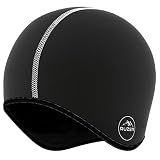
RUZER© Cycling Sports Beanie Hat Skull Cap with Ear Windproof Winter Under Helmet Fleece Lycra Skull Cap Beanie Thermal tech Stitch Running Tight Stretchable Breathable Base Layer (Normal Fit, Black)
- Snood or Neckwarmer. Insulate and wind-protect your neck exposed neck region which can bear the brunt of the weather.
Photo Title Price Buy 
Neck Warmer Face Masks Washable With filter Winter Snoods for Men Women Cycling Motorcycle (Black + dark grey)
What should you wear on your legs when cycling to work in cold, wet weather?
1.Waterproof Cycling Overtrousers. Trousers or leggings are the most practical riding attire but are not necessarily waterproof. When downpours are predicted waterproof over trousers are crucial, along with mudguards if you don’t already have them fitted.
| Photo | Title | Price | Buy |
|---|---|---|---|

|
Proviz Men's Nightrider Waterproof Cycling Trousers - Black, X-Large |
|
What should you wear on your body when cycling to work in cold, wet weather?
- Waterproof Cycling Jacket. The heat you generate from riding should you warm as long as you have enough insulation to suit conditions and you stay dry. Usually a blouse/shirt with jumper will keep you warm under a raincoat.
- Merino Base Layer. On the colder days, you might need a thermoregulating merino base layer next which is moisture wicking for that extra level of insulation.
Photo Title Price Buy 
Mountain Warehouse Merino Mens Long Sleeve Thermal Baselayer Top - Lightweight Jumper, Antibacterial & Quick Drying Sweatshirt - for Travel & Outdoors Black M

Mountain Warehouse Merino Womens Thermal Baselayer Top - Lightweight, Antibacterial & Breathable Ladies T Shirt - For Travel, Hiking, Camping, Skiing, Snowboard Black Women's Size 14

What kind of gloves are best for cycling to work in cold, wet weather?
Waterproof and windproof ideally with touchscreen sensitivity if you want to use your phone without taking them off.
| Photo | Title | Price | Buy |
|---|---|---|---|

|
GripGrab RIDE Windproof Winter Cycling Gloves Thermal Full Finger Padded | £32.40 |
|

|
Elite Cycling Project Malmo Waterproof Winter Cycling Gloves Padded Palms Thinsulate Lined, M, Hi Viz Green | £24.99 |
|
If you need to purchase or upgrade your bicycle to do the commute, make sure to take advantage of the government’s cycle-to-work scheme which can save you between 25 and 39% on the price of a bike and accessories. This is how it works.