
 By kazimladimeji
☀️ Vitamin D for Cyclists: Why It Matters for Performance, Recovery, and Health
While most cyclists obsess over FTP, watts per kilo, and training zones, one crucial factor often gets overlooked: Vitamin D. Often associated with bone health, Vitamin D also plays a surprising role in cycling performance, immune resilience, and recovery.
And if you’re training through the UK winter or spending hours on the turbo trainer indoors, there’s a good chance you’re deficient — even if your diet is solid.
In this guide, we explain what Vitamin D does, how it affects cycling, how to take it, and recommend trusted supplements available on Amazon.

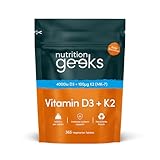
💡 What Is Vitamin D?
Vitamin D is a fat-soluble vitamin your body produces when skin is exposed to sunlight, specifically UVB rays. It’s also found in small amounts in oily fish, egg yolks, and fortified foods.
Vitamin D regulates calcium absorption, supports bone health, enhances muscle function, and plays a role in immune response — all key to consistent cycling performance.
🚴♂️ Why Cyclists Should Care About Vitamin D
1. Stronger Bones, Fewer Injuries
Low Vitamin D increases the risk of stress fractures and bone weakness, especially in cyclists who may have low-impact training and low dietary calcium.
2. Better Muscle Performance
Research shows Vitamin D can enhance muscle contraction and power output, particularly in fast-twitch muscle fibres — useful in sprints and high-intensity efforts.
3. Improved Recovery and Reduced Inflammation
Adequate Vitamin D levels help regulate inflammation post-ride and support immune function, reducing time off the bike due to illness or fatigue.
4. Mood and Motivation
Vitamin D deficiency is linked to low mood and fatigue, which can affect consistency, especially in dark winter months.
🧪 Are You Getting Enough?
In the UK and northern climates, Vitamin D synthesis is almost zero between October and March, especially for indoor trainers. Even in summer, sunscreen, long sleeves, or early/late training hours may limit exposure.
The only way to know for sure is a blood test, but many cyclists benefit from supplementation as a precaution.
💊 How to Supplement with Vitamin D
-
Recommended daily dose:
👉 1000 IU (25 mcg) for maintenance
👉 2000 IU (50 mcg) if you’re likely deficient or training indoors -
Best time to take:
👉 Once daily with a meal containing fat (improves absorption) -
Form:
👉 Choose Vitamin D3 (cholecalciferol) over D2 — it’s better absorbed
🛒 Best Vitamin D Supplements for Cyclists
Here are high-quality options available on Amazon UK:
-
Photo Title Price Buy 
Vitamin D3 4000IU - 1+ Year Supply - 400 Tablets - Easy to Swallow £8.99 

Vitamin D3 4000 IU - 400 High Strength Vitamin D Tablets (1+ Year Supply) - Vegetarian - Immune System Booster - Gluten Free - Vitamin D Supplements - Made in The UK £7.49

Vitamin D 4,000 IU, Maximum Strength Vitamin D3 Supplement, 365 Easy to Swallow Softgels - Full Year Supply £8.49

VitaPremium Vitamin D3 4,000 IU Supplement, 365 Tablets £8.49

Vitamin D Tablets 2000IU, Vitabiotics Ultra-96 Count 1-Pack £6.59
✅ Is It Legal for Racing?
Yes — Vitamin D is 100% legal and not on any banned list. It’s actually recommended for athlete health. However, always buy from reputable brands with clear labelling and (if you’re racing at a high level) look for Informed-Sport certified products to avoid contamination.
🧠 Final Thoughts
Vitamin D might not give you a direct bump in FTP, but without it, your recovery, bone health, and immune system may suffer — limiting your consistency and potential. For year-round riders in the UK, it’s a simple, safe, and affordable way to stay strong and healthy through all seasons.
📦 Want to optimise your training and health together?
Pair Vitamin D with our Functional Threshold Power Calculator, VO₂ Max Calculator, and our post on Creatine for Cyclists to get the full picture of your fitness.
<iframe width=”1000″ height=”500″ src=”https://www.youtube.com/embed/wQJlGHVmdrA?si=TXQvmI5wtehKU-5z” title=”YouTube video player” frameborder=”0″ allow=”accelerometer; autoplay; clipboard-write; encrypted-media; gyroscope; picture-in-picture; web-share” referrerpolicy=”strict-origin-when-cross-origin” allowfullscreen></iframe>